With the arrival of autumn and the first signs of winter, many people are starting to wonder what the upcoming winter season will hold. While it is impossible to predict the weather with 100% accuracy, meteorologists can make educated predictions based on historical data and current weather patterns. Using the latest tools and technologies, they can analyze various factors to forecast what the winter months may bring.
In this article, we will delve into the predictions for Idaho’s winter of 2025-2025, examining factors such as temperature, precipitation, and snowfall. By understanding the forecasted weather patterns, we can better prepare for the challenges and opportunities that the winter season brings.
As we transition from the colorful hues of autumn to the stark beauty of winter, let’s explore the meteorological forecasts and gain insights into what the upcoming winter may hold for Idaho.

Based on the latest meteorological data and analysis, here are 10 key points to consider regarding Idaho’s winter of 2025-2025:
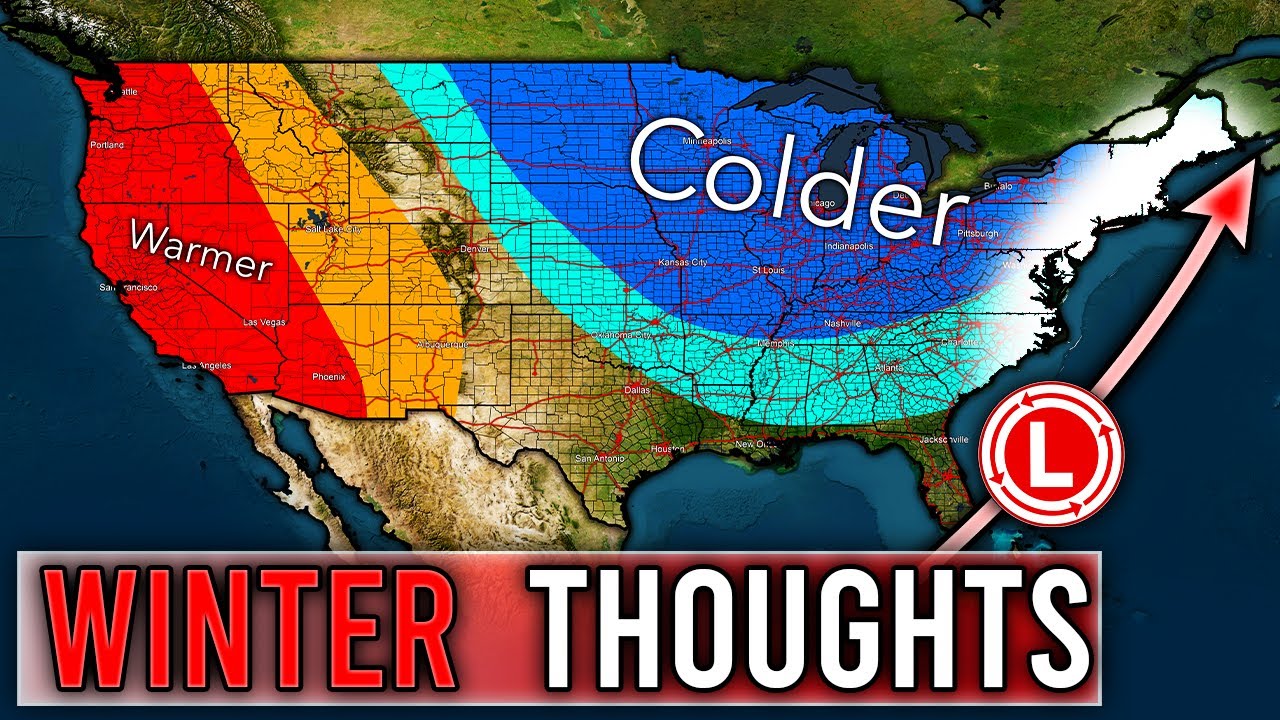
By being aware of these predictions and taking necessary precautions, individuals and communities in Idaho can better prepare for the challenges and opportunities that the winter season may bring.

One of the key predictions for Idaho’s winter of 2025-2025 is that temperatures are expected to be colder than average. This prediction is based on several factors, including:
![[UPDATED] NOAA Winter 23/24 Seasonal Outlook Forecasters Offer Sneak](https://snowbrains.com/wp-content/uploads/2023/04/off06_temp-Large.jpeg)
The predicted colder temperatures for Idaho’s winter of 2025-2025 could have several implications. Colder temperatures can lead to increased energy consumption for heating, as well as an increased risk of frostbite and hypothermia for those who spend extended periods outdoors. Additionally, colder temperatures can impact transportation, agriculture, and other economic sectors.
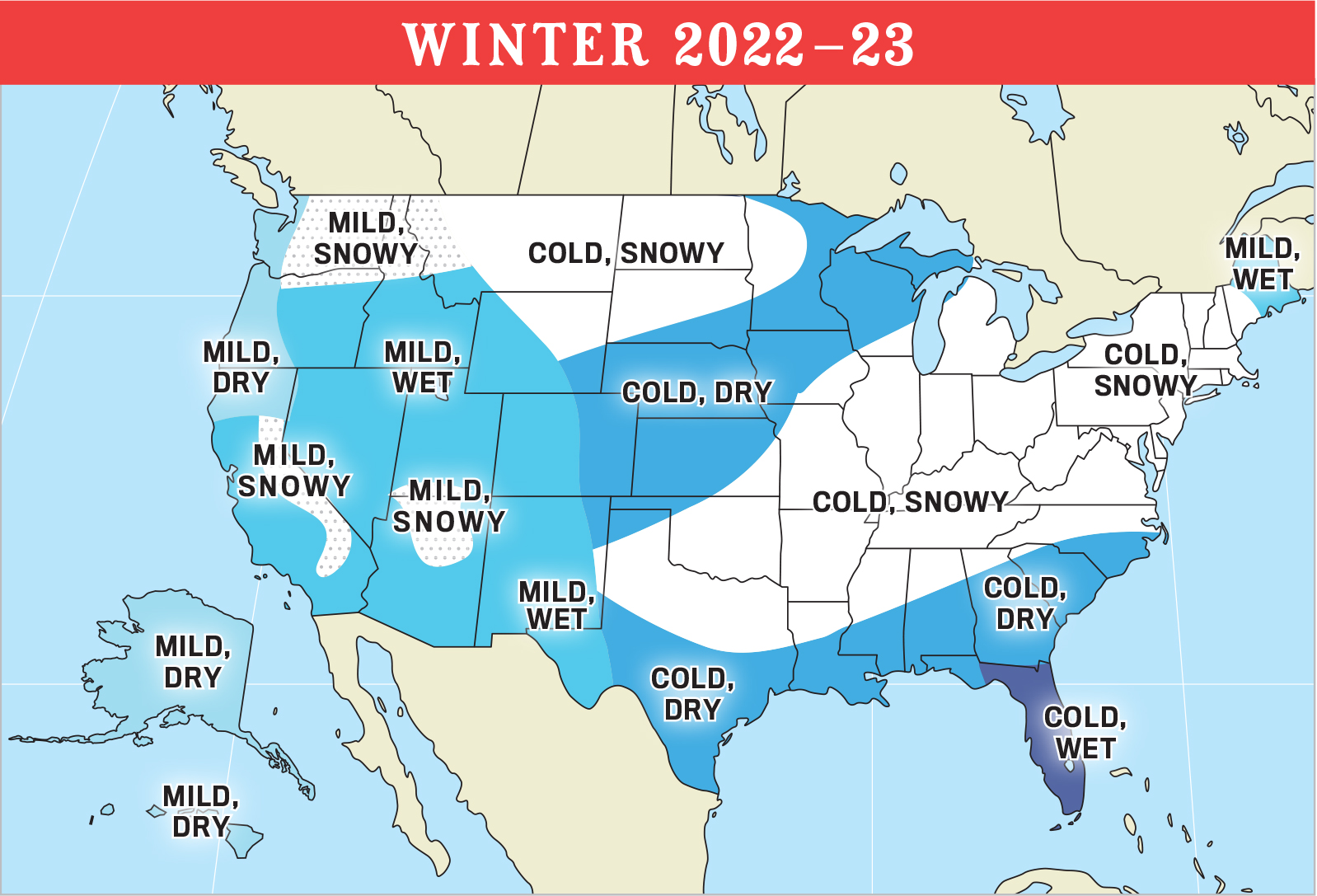
However, colder temperatures can also have some positive effects. For example, colder temperatures can reduce the risk of wildfires, and they can also lead to better snowpack conditions for winter recreation activities such as skiing and snowboarding.

It is important to note that these predictions are based on current data and analysis, and they could change as the winter season progresses. However, by being aware of the potential for colder temperatures, individuals and communities in Idaho can take steps to prepare for the challenges and opportunities that the winter season may bring.
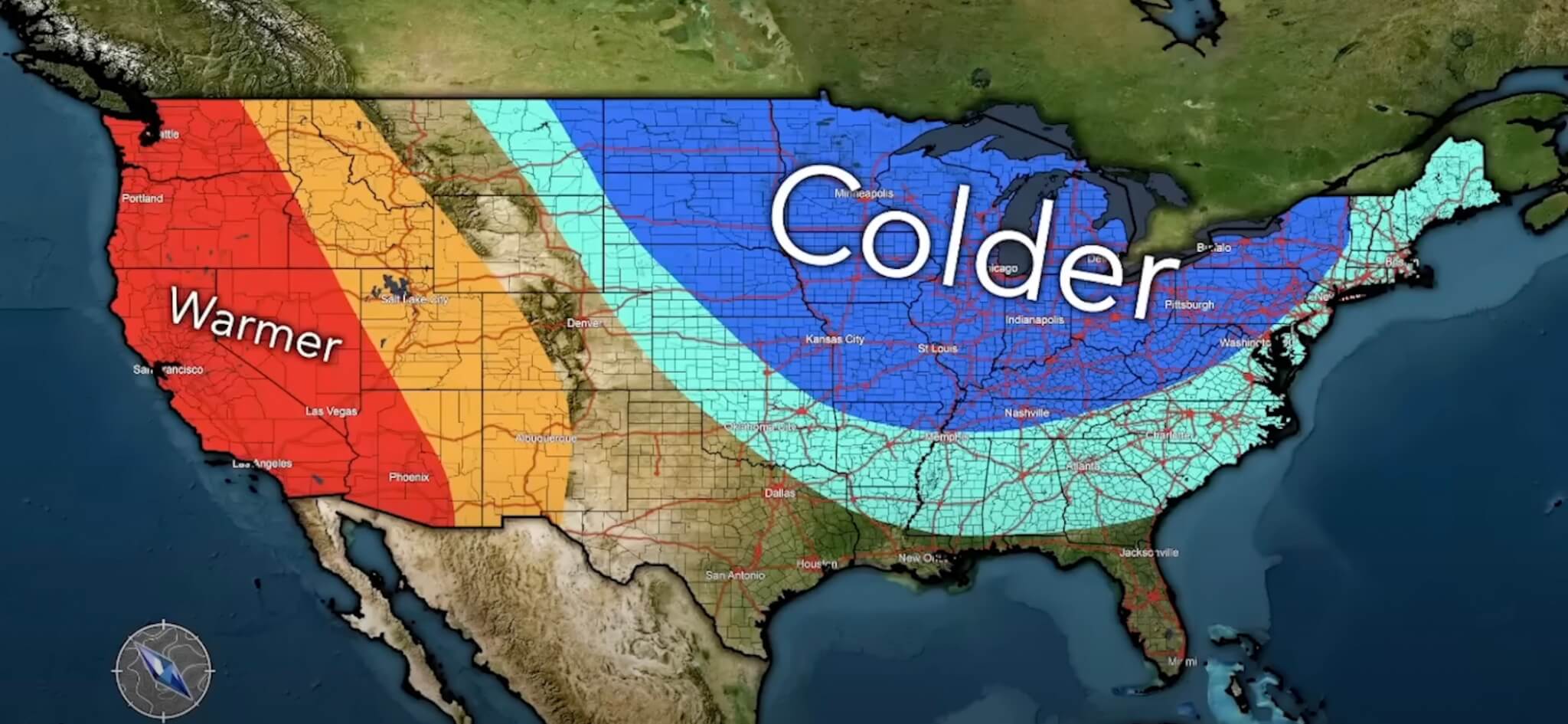
Another key prediction for Idaho’s winter of 2025-2025 is that central and northern regions of the state are likely to experience increased snowfall. This prediction is based on several factors, including:
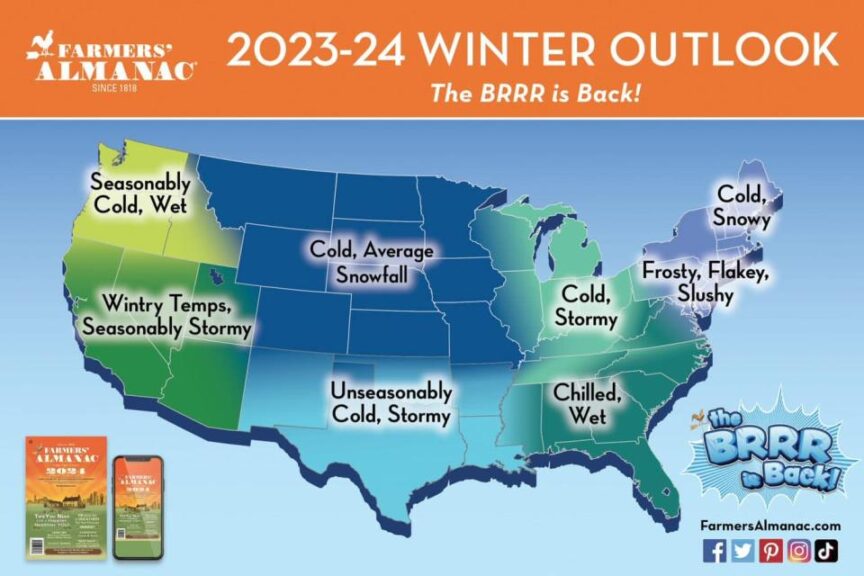
The predicted increased snowfall for central and northern Idaho could have several implications. Increased snowfall can lead to improved snowpack conditions for winter recreation activities such as skiing and snowboarding. However, it can also lead to increased avalanche risk, road closures, and other transportation disruptions.

Additionally, increased snowfall can impact agriculture and other economic sectors. For example, heavy snowfall can make it difficult for farmers and ranchers to access their livestock and crops. It can also lead to damage to infrastructure, such as power lines and roads.

It is important to note that these predictions are based on current data and analysis, and they could change as the winter season progresses. However, by being aware of the potential for increased snowfall, individuals and communities in central and northern Idaho can take steps to prepare for the challenges and opportunities that the winter season may bring.
In contrast to the predictions for increased snowfall in central and northern Idaho, the southwestern part of the state is expected to experience drier conditions during the winter of 2025-2025. This prediction is based on several factors, including:
The predicted drier conditions for southwestern Idaho could have several implications. Drier conditions can lead to reduced snowpack, which can impact water resources and winter recreation activities. Additionally, drier conditions can increase the risk of wildfires, especially if there is a lack of precipitation in the spring and summer months.
However, drier conditions can also have some positive effects. For example, drier conditions can reduce the risk of flooding and mudslides. Additionally, drier conditions can be beneficial for certain agricultural activities, such as wheat farming.
It is important to note that these predictions are based on current data and analysis, and they could change as the winter season progresses. However, by being aware of the potential for drier conditions, individuals and communities in southwestern Idaho can take steps to prepare for the challenges and opportunities that the winter season may bring.
One of the potential hazards associated with Idaho’s winter weather is the risk of winter storms and heavy snowfall events. These events can occur throughout the state, but they are most common in the central and northern regions. Winter storms can bring a variety of hazards, including:
Winter storms can cause widespread travel disruptions, power outages, and other infrastructure damage. They can also be dangerous for those who are caught outdoors, as exposure to the cold and wind can lead to hypothermia and frostbite.
The prediction for an increased risk of winter storms and heavy snowfall events for Idaho’s winter of 2025-2025 is based on several factors, including:
It is important to note that these predictions are based on current data and analysis, and they could change as the winter season progresses. However, by being aware of the potential for winter storms and heavy snowfall events, individuals and communities in Idaho can take steps to prepare for the challenges and opportunities that the winter season may bring.
The La Niña pattern is a climate phenomenon that occurs when the surface waters of the eastern tropical Pacific Ocean become cooler than normal. This cooling can have a significant impact on weather patterns around the globe, including in Idaho.
During a La Niña winter, the jet stream tends to dip farther south over the Pacific Ocean. This allows storms to track farther to the north, bringing wetter and stormier conditions to the northwestern United States, including Idaho.
The La Niña pattern is also associated with colder temperatures in the northwestern United States. This is because the cooler waters in the eastern tropical Pacific Ocean can lead to a weakening of the polar jet stream, which allows cold air from the Arctic to reach farther south.
The La Niña pattern is currently in effect, and it is expected to continue through the winter of 2025-2025. This means that Idaho is likely to experience a wetter and stormier winter than normal, with colder temperatures than average.
It is important to note that the La Niña pattern is not the only factor that will influence Idaho’s winter weather. Other factors, such as the PDO and current weather patterns, will also play a role.
Snowpack is an important part of Idaho’s water cycle. When snow accumulates in the mountains during the winter, it acts as a natural reservoir. As the snow melts in the spring and summer, it releases water into rivers, streams, and lakes. This water is essential for a variety of purposes, including drinking water, irrigation, and hydropower generation.
The predicted increased snowfall for central and northern Idaho during the winter of 2025-2025 is good news for the state’s water resources and recreation economy. However, it is important to remember that snowpack can vary significantly from year to year. It is also important to be aware of the potential for flooding and other hazards associated with snowpack.
One of the potential outcomes of the predicted colder temperatures and increased snowfall for Idaho’s winter of 2025-2025 is the possibility of early-season snow accumulation. This means that snow could begin to accumulate in the mountains and valleys of Idaho earlier than usual.
There are several factors that could contribute to early-season snow accumulation in Idaho. First, the La Niña pattern is known to bring cooler and wetter conditions to the northwestern United States, including Idaho. This means that there is a greater chance of snowstorms and heavy snowfall events early in the winter season.
Second, the current weather patterns in the Pacific Ocean and the Arctic are also indicating that there is an increased risk of early-season snow accumulation in Idaho. The PDO is currently in a negative phase, which is associated with wetter and cooler conditions in the Northwest.
Early-season snow accumulation can have both positive and negative impacts. On the positive side, early-season snow accumulation can provide a good base for winter recreation activities, such as skiing and snowboarding. It can also help to reduce the risk of wildfires, as snow cover can act as a firebreak.
On the negative side, early-season snow accumulation can also lead to travel disruptions and other hazards. Snow and ice on the roads can make it difficult to drive, and heavy snowfall can lead to power outages and other infrastructure damage.
It is important to be aware of the potential for early-season snow accumulation in Idaho and to take steps to prepare for the challenges and opportunities that it may bring.
One of the potential hazards associated with Idaho’s winter weather is the risk of road closures and travel disruptions. These closures and disruptions can be caused by a variety of winter weather hazards, including snow, ice, and fog.
Snow and ice can make it difficult to drive, and heavy snowfall can lead to whiteout conditions, making it impossible to see. This can lead to accidents and road closures.
Fog can also be a hazard, especially in the early morning and evening hours. Fog can reduce visibility and make it difficult to see other vehicles and pedestrians.
The predictions for an increased risk of winter storms and heavy snowfall events for Idaho’s winter of 2025-2025 mean that there is also an increased risk of road closures and travel disruptions. Travelers should be aware of this risk and be prepared for delays or cancellations.
There are several things that travelers can do to prepare for the possibility of road closures and travel disruptions:
By being aware of the potential for road closures and travel disruptions and taking steps to prepare, travelers can help to ensure their safety and the safety of others.
One of the most important things that Idaho residents can do to prepare for winter weather is to stay informed about the latest forecasts and warnings.
In addition to staying informed about the latest weather conditions, it is also important to be prepared for winter weather. Here are a few tips:
By staying informed and prepared for winter weather, you can help to ensure your safety and the safety of your loved ones.
One of the most important things that Idaho residents can do to prepare for winter weather is to monitor weather forecasts and heed warnings.
Weather forecasts can provide information about upcoming weather conditions, including the likelihood of snow, ice, fog, and other hazards. Warnings are issued when dangerous weather conditions are expected. It is important to pay attention to both forecasts and warnings and to take appropriate precautions.
It is important to heed warnings and take appropriate precautions. For example, if a winter storm warning is issued, you should stay indoors and avoid travel. If you must travel, be sure to take precautions, such as having a full tank of gas, a charged cell phone, and an emergency kit.
By monitoring weather forecasts and heeding warnings, you can help to ensure your safety and the safety of your loved ones.
Question 1: What are the key predictions for Idaho’s winter of 2025-2025?
Answer: The key predictions for Idaho’s winter of 2025-2025 are colder temperatures than average, increased snowfall in central and northern regions, drier conditions in the southwest, potential for winter storms and heavy snowfall events, and an increased risk of road closures and travel disruptions.
Question 2: What is the La Niña pattern and how does it influence Idaho’s winter weather?
Answer: The La Niña pattern is a climate phenomenon that occurs when the surface waters of the eastern tropical Pacific Ocean become cooler than normal. This cooling can have a significant impact on weather patterns around the globe, including in Idaho. During a La Niña winter, the jet stream tends to dip farther south over the Pacific Ocean. This allows storms to track farther to the north, bringing wetter and stormier conditions to the northwestern United States, including Idaho.
Question 3: What are the potential impacts of colder temperatures than average?
Answer: Colder temperatures than average can lead to increased energy consumption for heating, as well as an increased risk of frostbite and hypothermia for those who spend extended periods outdoors. Additionally, colder temperatures can impact transportation, agriculture, and other economic sectors.
Question 4: What are the potential impacts of increased snowfall in central and northern regions?
Answer: Increased snowfall in central and northern Idaho could lead to improved snowpack conditions for winter recreation activities such as skiing and snowboarding. However, it can also lead to increased avalanche risk, road closures, and other transportation disruptions.
Question 5: What are the potential impacts of drier conditions in the southwest?
Answer: Drier conditions in southwestern Idaho could lead to reduced snowpack, which can impact water resources and winter recreation activities. Additionally, drier conditions can increase the risk of wildfires, especially if there is a lack of precipitation in the spring and summer months.
Question 6: What are the potential impacts of winter storms and heavy snowfall events?
Answer: Winter storms and heavy snowfall events can cause widespread travel disruptions, power outages, and other infrastructure damage. They can also be dangerous for those who are caught outdoors, as exposure to the cold and wind can lead to hypothermia and frostbite.
Question 7: What can Idaho residents do to prepare for the upcoming winter?
Answer: Idaho residents can prepare for the upcoming winter by staying informed about the latest weather forecasts and warnings, preparing an emergency kit, winterizing their homes and vehicles, and taking other precautions to stay safe in winter weather.
By being aware of the potential impacts of the predicted weather patterns and taking steps to prepare, Idaho residents can help to ensure their safety and the safety of their loved ones.
In addition to the information provided in the FAQ, here are a few additional tips for preparing for Idaho’s winter of 2025-2025:
In addition to the information provided in the FAQ, here are a few additional tips for preparing for Idaho’s winter of 2025-2025:
One of the most important things you can do to prepare for winter weather is to stay informed about the latest forecasts and warnings. This information will help you make informed decisions about your travel plans and other activities.
In the event of a winter storm or other emergency, it is important to have an emergency kit on hand. Your kit should include food, water, clothing, a first-aid kit, and other essential items. It is also a good idea to include a battery-powered radio and a flashlight in your kit.
To prepare your home for winter, make sure to insulate your home, seal up any cracks or leaks, and have a plan for heating your home in the event of a power outage. To prepare your vehicle for winter, make sure to have snow tires or chains, and check your battery, antifreeze, and other fluids.
If you must travel in winter weather, be sure to take precautions. This includes letting someone know your travel plans, having a full tank of gas, and having a charged cell phone. It is also a good idea to pack an emergency kit in your vehicle.
By following these tips, you can help to ensure your safety and the safety of your loved ones during Idaho’s winter of 2025-2025.
The predicted weather patterns for Idaho’s winter of 2025-2025 indicate that it is likely to be a cold and snowy winter. By being aware of the potential impacts of these weather patterns and taking steps to prepare, Idaho residents can help to ensure their safety and the safety of their loved ones.
The predicted weather patterns for the winter season can provide valuable insights into what the upcoming winter may hold. By understanding the forecasted conditions, individuals and communities can prepare for the challenges and opportunities that the winter season brings.
Idaho’s winter of 2025-2025 is likely to be a cold and snowy winter. The La Niña pattern is predicted to influence weather patterns, bringing colder temperatures and increased snowfall to the state. However, there will be regional variations, with drier conditions expected in the southwestern part of the state.
It is important to be aware of the potential impacts of these weather patterns and to take steps to prepare. This includes staying informed about the latest weather conditions, preparing an emergency kit, and winterizing your home and vehicle.
By taking these steps, you can help to ensure your safety and the safety of your loved ones during the winter season.